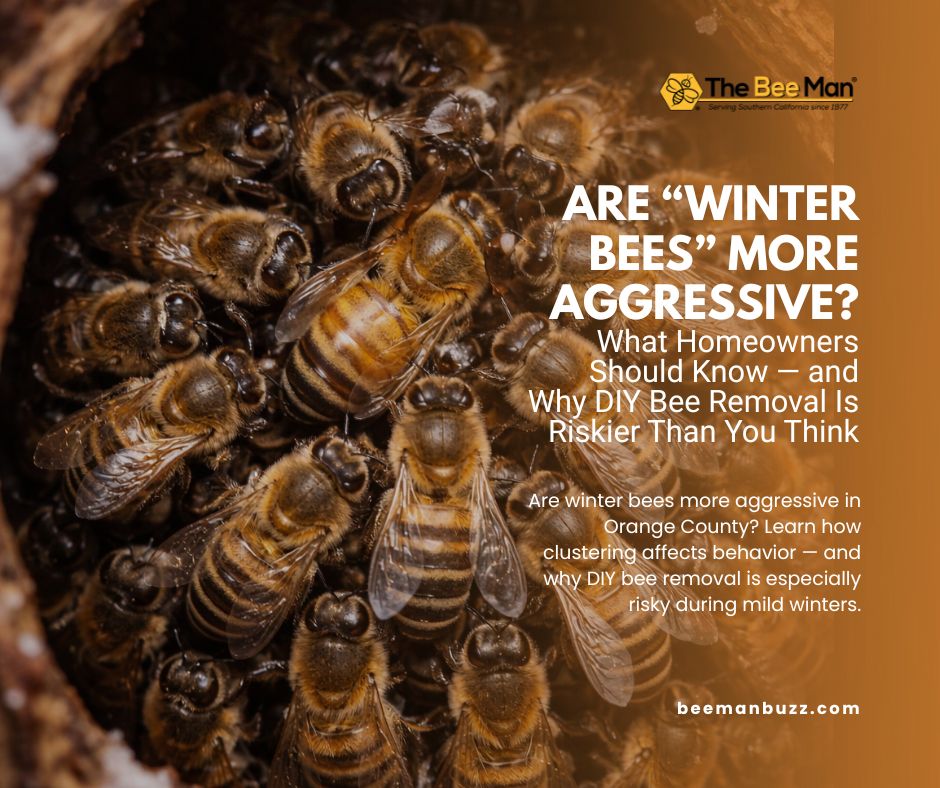
Are “Winter Bees” More Aggressive? What Homeowners Should Know — and Why DIY Bee Removal Is Riskier Than You Think
What Do We Mean by “Winter Bees” in Orange County?
When people hear the term “winter bees,” they often imagine snow, freezing temperatures, or dormant hives. That’s not how winter works in Southern California — and it’s not how bees experience it either.
In Orange County, winter is defined less by snow and more by shorter daylight hours, cooler nights, seasonal rain, and reduced forage. These environmental cues are enough to trigger a biological shift inside the hive.
During this time, honey bees enter what professionals refer to as winter bee behavior:
- Colonies reduce foraging
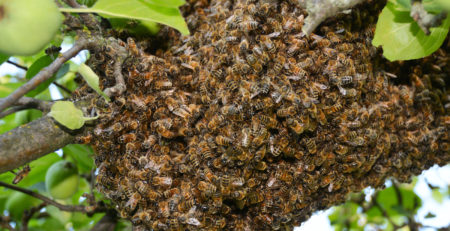
- Bees cluster tightly together to conserve warmth
- Worker bees live longer and focus on survival rather than growth
- The queen is protected at the center of the cluster
So when we say “winter bees,” we’re not describing a different species — we’re describing a seasonal behavior and survival mode that happens every year in Southern California, even during mild winters.
This is why bees don’t “disappear” in Orange County during winter. They adapt.
Understanding this distinction matters — because winter behavior often gets mistaken for increased aggression, when in reality, something else is happening.
One of the most common questions homeowners ask during winter is simple — and understandable:
“Are bees more aggressive this time of year?”
In Orange County, winter doesn’t shut bees down. It changes how they behave. And while winter bees aren’t necessarily more aggressive, the conditions surrounding winter hives make DIY removal far riskier than most people expect.
Understanding the difference between defensive behavior and true aggression — and knowing what happens when a winter hive is disturbed — is key to keeping your home safe.
Winter Bees vs. Aggressive Bees: What’s the Difference?
Winter bees behave differently, but that doesn’t automatically mean they’re more aggressive.
Clustering Changes Everything
During winter, honey bees cluster tightly together to conserve heat and protect their queen. This behavior often occurs inside:
- Walls
- Attics
- Chimneys
- Roofline voids
This clustering behavior is explained further in Winter Bee Activity: Hidden Hives Inside Walls and Attics.
When bees are clustered:
- Movement is limited
- Energy is conserved
- The colony is highly focused on survival
This doesn’t make them aggressive — but it does make them highly defensive if disturbed.
Defensive vs. Aggressive: Why Winter Bees Act Differently
Aggression implies attacking without reason. Winter bees don’t do that.
Instead, winter bees are defensive, meaning:
- They react strongly if their cluster is broken
- They respond quickly to vibrations, noise, or sudden exposure
- They are protecting a queen that cannot relocate easily
This is why homeowners sometimes report stronger reactions after:
- Attic inspections
- Chimney use
- Wall access
- DIY attempts to “check” a hive
If you’re already seeing activity and wondering what it means, this ties closely with Hidden Hive Warning Signs & Winter Bee vs Wasp Activity in Orange County.
Why Winter Hives Feel More Intimidating to Homeowners
Several winter factors make bee encounters feel more intense:
1. Bees Are Concentrated
Instead of flying freely, bees are packed together. When disturbed, many bees respond at once.
2. Sounds Travel More Clearly
Quiet winter homes make buzzing and movement more noticeable — especially after the holidays.
3. Activity Appears Sudden
Warm winter days can trigger short bursts of flight, catching homeowners off guard.
This often leads homeowners to search for bee and wasp removal Orange County once the behavior becomes obvious.
Why DIY Bee Removal Is Riskier in Winter Than You Think
Winter is one of the most dangerous times to attempt DIY bee removal — even for people who believe the hive is “inactive.”
1. Breaking a Cluster Triggers Defense
When a winter cluster is broken:
- Bees lose heat rapidly
- Survival instincts kick in
- Defensive responses escalate
What looked calm minutes earlier can become chaotic fast.
2. Cold-Weather Stress Amplifies Reactions
Winter bees are already operating under tight energy margins. Sudden exposure to cold air, light, or vibration creates stress — and stressed bees defend aggressively.
This is one of the biggest reasons professionals discourage winter DIY attempts.
3. Structural Access Makes Mistakes Costly
Most winter hives are inside structures, not hanging visibly outside.
DIY attempts often involve:
- Opening walls
- Entering attics
- Using ladders near rooflines
- Disturbing chimneys
These are the exact locations highlighted in Why Attics and Wall Cavities Attract Winter Hives — and What Happens If You Wait Until Spring.
Mistakes here don’t just affect the bees — they affect your home.
4. Winter Removal Errors Lead to Bigger Problems Later
Improper winter removal often results in:
- Partial hive removal
- Abandoned honeycomb inside walls
- Odors and staining
- Secondary pests like ants
This is why many January calls turn into urgent requests for bee removal Orange County after a DIY attempt fails.
What About Wasps — Are They More Aggressive in Winter?
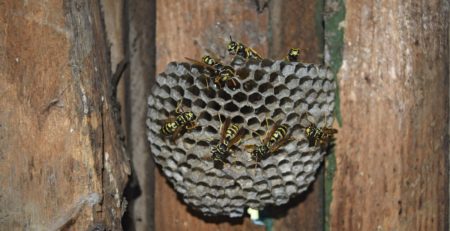
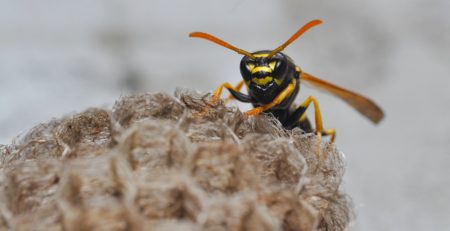
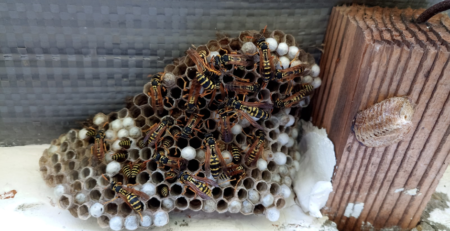
Wasps behave differently than bees:
- Worker wasps typically don’t survive winter
- Queens overwinter alone
- Old nest sites are often reused in spring
Disturbing old winter nest locations increases the risk of early re-infestation, which is why contacting a wasp exterminator in Orange County early is important.
Why Orange County Winters Make DIY Removal Even Riskier
Unlike colder regions, Orange County winters:
- Don’t eliminate colonies
- Allow low-level activity year-round
- Trigger early spring expansion
This is especially noticeable in warmer cities like Irvine, where homeowners searching for bee removal Irvine often report noticing activity long before spring.
Winter here is not downtime — it’s preparation season for colonies.
Are Winter Bees More Aggressive? The Honest Answer
Winter bees aren’t more aggressive by nature — but:
- They are more defensive
- They are more concentrated
- They react faster to disturbance
- DIY mistakes escalate situations quickly
Understanding this difference is key to staying safe.
Why Professional Removal Matters in Winter
Professional winter removal focuses on:
- Minimizing cluster disruption
- Controlling temperature exposure
- Protecting the queen when possible
- Preventing structural damage
- Avoiding repeat infestations
Winter is not the time for experimentation.
The Smart Move: Address Winter Hives Early and Safely
If you’re hearing buzzing, noticing winter activity, or wondering whether bees are becoming aggressive, the most important thing to know is this:
Winter hives don’t disappear — they grow.
Addressing them early prevents spring emergencies and keeps your home protected.
Call The Bee Man for professional bee and wasp removal in Orange County and handle winter hive activity the right way.