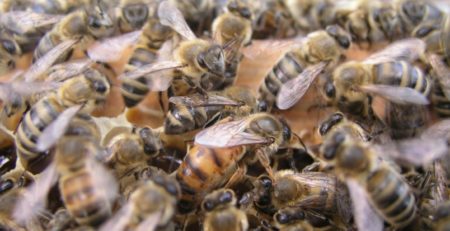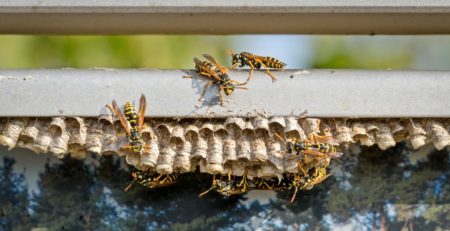

What Bee Traffic Patterns Tell You About Hive Location — and Whether February Bees Are Looking for Food or a New Home
February is a confusing month for homeowners in Orange County.
One day it feels like winter. The next, it’s warm enough to bring bees back into view. Suddenly, you notice activity near your roofline, vents, or walls — and the big question becomes:
Are these bees just looking for food, or are they setting up a new home?
The answer often lies in bee traffic patterns — how bees move, where they enter, and how consistent their activity is.
Why February Bee Activity Stands Out in Orange County
Unlike colder regions, February in Southern California brings:
- Warmer daytime temperatures
- Increased daylight
- Early blooming plants
These conditions trigger bees to become more visible — even though it’s still technically winter.
As explained in Why Mild Winters Make Bee Problems Worse in Orange County Homes, mild winters don’t eliminate colonies — they allow them to survive, consolidate, and prepare for expansion.
That’s why February is often when homeowners first notice a problem that’s already been developing.
Bee Traffic Patterns: What to Watch For
1. Straight Flight Lines In and Out of One Spot
If bees are flying directly in and out of the same opening, this is one of the strongest indicators of a hive inside a structure.
Common locations include:
- Rooflines
- Eaves
- Wall seams
- Vents
- Chimneys
This type of focused movement almost always signals the need for BeeManBuzz or professional bee and wasp removal, not casual observation.
2. Repeated Traffic Throughout the Day
Foraging bees come and go sporadically. Hive-based bees show consistent traffic, especially during warmer daylight hours.
If activity:
- Starts mid-morning
- Peaks during warmth
- Continues day after day
It’s likely tied to an established colony, not random foraging.
This is when homeowners often begin searching for bee and wasp exterminators or bee removal near me.
3. Bees Hovering or “Inspecting” Surfaces
When bees are hovering along:
- Walls
- Fascia boards
- Roof edges
They may be scouting — either locating an existing hive entrance or evaluating potential nesting spots.
In February, this often means:
- A hive already exists nearby
- Or bees are preparing for early spring expansion
This behavior bridges the gap between winter survival and spring growth.
Are February Bees Looking for Food — or a New Home?
When Bees Are Foraging
Foraging bees:
- Visit flowers briefly
- Move from plant to plant
- Don’t return to the same wall or structure
This behavior is normal and not a cause for concern.
When Bees Are Nesting or Relocating
Bees are likely dealing with a hive when you see:
- Entry and exit through a fixed opening
- Consistent movement to the same spot
- Activity around walls, attics, or chimneys
This pattern is often tied to hives that survived winter, as explained in What Happens Inside Your Walls When a Hive Is Left All Winter.
Why February Is a Critical Observation Month
February is a transition period:
- Colonies are still consolidated
- Populations are stable but growing
- Defensive behavior is present, but manageable
This makes February one of the best times to diagnose and address hive issues before spring escalation.
As covered in Are Winter Bees More Aggressive? What Homeowners Should Know and Why DIY Bee Removal Is Riskier Than You Think, winter and late-winter bees aren’t aggressive by nature — but disturbing a hive without understanding its location is risky.
What Bee Traffic Patterns Don’t Mean
Not every bee sighting equals a hive.
Bee traffic patterns do not indicate a hive when:
- Bees appear only near flowers
- Activity changes locations frequently
- There’s no visible entry point
The key difference is repetition and consistency.
What About Wasps in February?
Wasps behave differently:
- Most worker wasps don’t survive winter
- Queens overwinter nearby
- Nest sites are reused in spring
If you’re seeing wasp activity around old nest locations or structures, early contact with a wasp exterminator near me can prevent spring rebuilds.
Why Orange County Homes Are Especially Vulnerable
Homes in Orange County often feature:
- Stucco exteriors
- Roofline gaps
- Vents and soffits
- Attics and wall cavities
In warmer areas like Irvine, homeowners frequently search for bee removal Irvine after February activity reveals a hive that never fully went dormant.
When to Take Action
You should consider professional help if you notice:
- Repeated bee traffic in one location
- Sounds inside walls or ceilings
- Activity increasing on warm days
- Bees entering from rooflines or vents
At that point, waiting usually allows the problem to grow.
Don’t Guess — Observe the Bees
Bee behavior tells a story. February is when that story becomes visible.
If bee traffic patterns are pointing to a hive — whether bees are searching for food or establishing a home — early action makes all the difference.
Call The Bee Man for professional bee removal in Orange County and address the issue before spring expansion begins.