How Bee Colonies Transition from Winter Survival to Spring Growth
Every year as winter begins fading and the first signs of spring appear, something remarkable begins happening inside honeybee colonies.
During winter, the entire hive focuses on survival. Activity slows dramatically, and the bees work together to maintain warmth while conserving their energy and food supply.
But once temperatures begin rising and early flowers begin blooming, the hive enters an entirely different phase.
Spring marks the beginning of colony expansion.
This transition from winter survival to spring growth is one of the most important moments in the annual lifecycle of honeybees, and it also explains why many homeowners begin noticing more bee activity around their homes.
Some people even start searching for bee and wasp removal or looking for experienced bee and wasp exterminators when they suddenly see bees returning to gardens, rooftops, and neighborhoods.
In reality, most of what people are seeing is simply the natural reawakening of bee colonies as spring begins.
At BeeManBuzz, understanding these seasonal changes helps homeowners recognize the difference between normal bee behavior and situations that may require professional attention.
What Happens Inside a Bee Colony During Winter
During winter, a honeybee colony operates very differently than it does during warmer months.
Worker bees form a tight cluster around the queen inside the hive. By vibrating their flight muscles, they generate heat to maintain a stable temperature for the colony.
While the bees remain inside, they rely on stored honey to survive until flowers return.
The queen drastically reduces egg laying because the colony cannot support a large population when nectar and pollen are scarce.
For most of winter, the hive remains relatively quiet.
However, that quiet period ends quickly when temperatures begin warming in late winter and early spring.
The Moment the Hive Shifts into Spring Mode
Once temperatures begin consistently warming and early flowers appear, the hive begins transitioning into expansion mode.
The queen increases egg production dramatically.
New worker bees begin emerging, and the colony population grows rapidly.
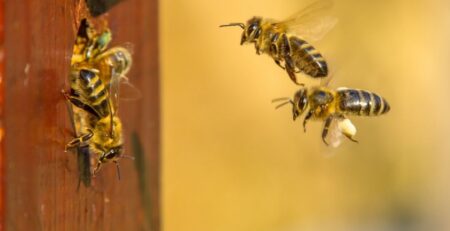
At the same time, worker bees begin leaving the hive more frequently to collect pollen and nectar.
These resources are essential for feeding developing larvae and supporting the rapidly expanding colony.
This sudden increase in activity is why homeowners often begin noticing bees around their homes during March.
Bee traffic becomes easier to observe as the colony begins sending out more foragers.
This behavior is explained further in the BeeManBuzz article What Bee Traffic Patterns Tell You About Hive Location and Whether February Bees Are Looking for Food or a New Home.
The First Spring Flowers Bees Visit (And Why They Matter)
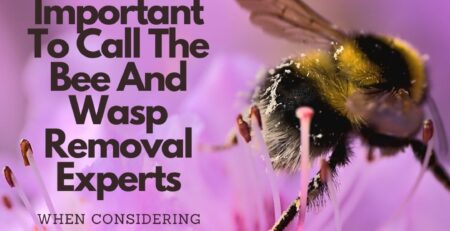
When bee colonies begin transitioning from winter survival to spring growth, one of the first things worker bees start searching for is pollen.
Pollen provides the protein needed to feed developing larvae, while nectar provides the carbohydrates that fuel the hive.
Because early spring flowers bloom at slightly different times, bees often concentrate heavily on the first plants that become available.
Some of the earliest flowers that bees visit include:
- Crocus
- Grape hyacinth
- Fruit tree blossoms
- Rosemary
- Dandelions
- Wildflowers
- Ornamental flowering trees
If you spend time in parks, gardens, or walking trails during early spring, you may notice bees gathering heavily around these flowers.
This behavior is completely normal and actually plays a critical role in supporting pollination.
Bees are typically very focused while foraging. When they are moving between flowers collecting nectar and pollen, they are usually not interested in people nearby.
However, disturbing bees while they are actively foraging can sometimes trigger defensive behavior, especially if they feel threatened.
For park visitors, hikers, and people enjoying outdoor spaces in early spring, the best approach is simply to give bees space while they work.
Avoid swatting at bees or disturbing flowering plants where they are actively collecting nectar.
Most of the time, bees will continue pollinating and move on once they finish gathering resources from that area.
Seeing bees visiting early spring flowers is actually a healthy sign that local ecosystems are functioning properly and that pollination season has begun.
Why You Might See Bees Drinking Water in Early Spring
Another behavior homeowners often notice in early spring is bees gathering around water.
Bees may appear near bird baths, swimming pools, garden fountains, puddles, or dripping irrigation systems.
This behavior surprises many people because bees are usually associated with flowers.
However, water plays a critical role inside the hive.
Worker bees collect water for several reasons.
Water is used to help regulate hive temperature. It also helps dilute honey for feeding larvae and assists with maintaining proper humidity levels inside the hive.
As the colony begins producing more brood in early spring, the demand for water increases.
This is why bees sometimes appear around pools, ponds, or garden water sources during this time of year.
Seeing bees collecting water is often another sign that the colony is entering its spring growth phase.
Why Bee Removal Requests Increase in March
As bee colonies transition into spring growth, bee activity increases dramatically across neighborhoods, parks, and residential areas.
This is why calls for bee removal Orange County services typically begin rising during March.
Several factors contribute to this seasonal increase.
The first is visibility.
During winter, most bees remain inside their hive. Once spring arrives, hundreds or even thousands of worker bees begin leaving the hive daily to collect pollen, nectar, and water.
This sudden increase in flight activity makes colonies much easier for homeowners to notice.
Another factor is scout bee behavior.
Scout bees begin exploring potential nesting locations as colonies prepare for expansion later in the season. These scouts may inspect chimneys, rooflines, wall cavities, attic vents, and other small openings in structures.
Sometimes these scouts decide against a location.
Other times, they return with additional scouts to evaluate the space further.
This type of activity often causes homeowners to search for bee removal Irvine services if they believe bees may be forming a hive inside their home.
At the same time, spring also increases encounters with other stinging insects such as yellow jackets and wasps.
Unlike honeybees, these insects can be more aggressive and may build nests in trees, rooflines, underground cavities, or inside structures.
When this happens, contacting a licensed wasp exterminator in Orange County may be necessary to safely remove the nest.
In many cases, however, bees seen during early spring are simply foraging or collecting water and do not require removal.
Understanding the difference between normal pollination activity and an established hive can help homeowners determine when professional assistance is truly needed.
When Professional Bee Removal May Be Needed
Most bees seen during early spring are simply pollinating flowers or gathering water.
However, if bees begin entering a structure regularly or if a hive begins forming inside a wall, chimney, or attic space, professional removal may be necessary.
Licensed bee removal Irvine specialists can safely remove colonies while protecting the structure and relocating bees when possible.
Sometimes homeowners may encounter stinging insects that are not honeybees at all.
Yellow jackets and wasps can build nests in structures, trees, and underground cavities.
In those cases, contacting a licensed wasp exterminator in Orange County may be necessary to safely remove the nest.
Why Understanding Early Spring Bee Behavior Matters
Understanding what bees are doing in early spring can help homeowners avoid unnecessary concern while recognizing when professional help may be needed.
Most bees seen during March are simply doing what they are meant to do.
They are rebuilding their colony, gathering water, collecting pollen, and pollinating flowers.
These activities support ecosystems, gardens, and food production around the world.
For bee colonies, March marks the end of winter survival and the beginning of spring growth.
For homeowners, it’s the moment when the quiet months end and the buzzing season begins again.
And when you start noticing bees visiting flowers, gathering water, or flying across gardens, it’s often one of nature’s clearest signals that spring has officially arrived.